


Key Points:
- Reliable indoor radio coverage helps responders communicate faster during emergencies.
- DAS design should follow responder routes, not just overall building size.
- Concrete, steel, glass, and enclosed areas can create serious signal gaps.
- Backup power and system monitoring help maintain coverage during power problems.
- Smart antenna placement supports steady communication across complex building routes.
- Grid testing helps identify weak areas before the system is fully approved.
- Renovations and building changes can affect previously stable emergency radio coverage.
- Regular maintenance helps catch battery, connector, and antenna problems early.
- Clear drawings and testing records make future repairs and reviews easier.
Austin commercial buildings can make radio communication difficult. Concrete stairwells, underground garages, mechanical rooms, long hallways, and energy-efficient glass can weaken signals indoors. During an emergency, first responders cannot stop to find a stronger signal. They need clear communication while moving through the building, checking rooms, sharing updates, and helping people reach safer areas. They must also stay connected with command teams as conditions change inside the property.
Reliable indoor coverage takes more than installing a few antennas after construction. It needs a plan based on the building layout, responder routes, and areas that may block radio signals. When design, installation, backup power, testing, and maintenance work together, communication becomes faster and more reliable. Building owners also receive clearer records, face fewer last-minute problems, and feel more confident that the system will work properly when it is needed most.
Public Safety Design for Faster Responder Communication
A well-designed public safety DAS system carries radio coverage into parts of a building where outdoor signals are weak. The design should follow the paths responders are likely to use, not only the total floor area. Stairwell landings, command centers, garage ramps, loading areas, and interior rooms need special attention. These locations often become important communication points during an emergency. Clear coverage helps responders share updates without delays or repeated messages.
Good design also prevents sudden changes between strong and weak signal areas. Antenna spacing, cable length, wall materials, and signal strength all affect communication as responders move through the property. A balanced system must support both incoming and outgoing messages. Hearing other team members is only part of the process. Responders must also be able to send clear updates without changing their route or searching for a better signal.
Why Buildings Create Safety Signal Gaps
Large commercial properties contain many materials that weaken outdoor radio signals. Reinforced concrete, steel framing, fire-rated walls, and special glass can absorb or reflect signals before they reach indoor spaces. Garages and service areas create more challenges because their layouts include sharp turns and enclosed sections. A building may have strong coverage near the entrance, while stairwells, basements, and central hallways still have weak signals during an emergency.
Read More: From Paper Charts to Predictive Intelligence: The Evolution of-patient-care
The problem can become worse when a property is changed. A tenant may add secure rooms, heavy doors, glass walls, or storage units without knowing that these changes can affect radio signals. New equipment or a redesigned lobby can also change indoor coverage. Testing after major building changes helps property teams find weak areas early. It also allows them to plan repairs without causing major disruption across active commercial floors.
Power and Monitoring for Reliable Safety Coverage
Emergency communication equipment must continue working when normal building power becomes unstable. Backup batteries, protected electrical circuits, grounding, and equipment-room conditions all affect system performance. A short power drop can restart sensitive equipment. High temperatures can also shorten battery life and reduce backup time. Property teams should understand which parts have backup power, how long it should last, and who receives an alert when a power or equipment problem occurs.
Monitoring is important because a hidden system fault may not be noticed during normal business hours. Alerts should reach someone who can respond, including during evenings or weekends. Equipment rooms also need clear entry, good airflow, and proper organization. Blocked cabinets, stored items, or missing keys can delay important repairs. When monitoring and equipment care become part of regular building operations, problems can be fixed before they affect an emergency response.
Distributed Antenna Placement across Complex Building Routes
A public safety distributed antenna system depends on correct antenna placement and reliable connections to the main equipment. Antennas should support steady communication through stairwells, hallways, garages, and service areas. They should not only cover open office spaces. Placement must also consider sprinklers, lighting, ceiling materials, and future maintenance access. Early planning prevents overcrowded ceilings and keeps antennas in locations that technicians can reach after tenants move into the building.
Different parts of a large property may need different antenna layouts. A long hallway may need focused coverage, while an enclosed stairwell may require a different setup. Garages often need careful adjustments because concrete surfaces can reflect radio signals in unexpected ways. A good plan does not simply add more antennas. It places the correct number of antennas in useful areas and checks that nearby coverage zones work together without sudden drops.
Grid Testing Confirms Distributed Antenna Performance
Grid testing divides a building into marked areas and measures radio performance at set points. This method shows whether coverage remains steady throughout the property. It is more reliable than checking only a few convenient areas. Stairwells, garages, utility rooms, and interior hallways need careful testing because they often show problems first. Testing before final project completion gives technicians time to move antennas, adjust signal levels, or correct installation issues while access is still easy.
For a public safety distributed antenna system, clear testing records also make future reviews and maintenance easier. Floor plans, marked testing points, equipment information, and simple result summaries create a useful starting point for building owners. If a renovation later affects signal coverage, technicians can test the same areas and compare the results. This makes troubleshooting easier and gives owners clear information to share with inspectors, managers, and service teams.
Maintenance Planning for Long-Term Public Safety Reliability
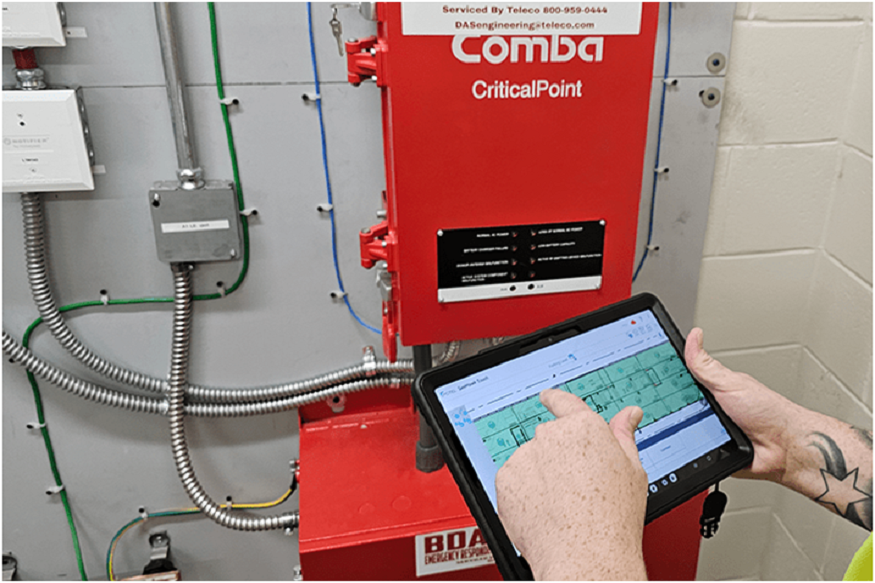
Passing the first test does not mean coverage will stay the same forever. Batteries become weaker, connectors can loosen, and antennas may be moved during ceiling repairs. Equipment rooms may also become storage spaces over time. A practical maintenance plan includes visual checks, alarm testing, battery reviews, and radio testing along important responder routes. These checks can be completed during planned visits without disturbing the entire property or interrupting normal business activities.
A reliable public safety DAS system also needs a clear plan for future building changes. New walls, stronger doors, tenant improvements, and redesigned common areas should lead to testing in the affected section. Owners should keep test results, final drawings, and maintenance records in one place. This simple practice helps technicians understand the system quickly, reduces repair time, protects the budget, and keeps emergency coverage suitable as the building changes or expands.
Read More: Why Django Is the Framework of Choice for Scalable Web-applications
Conclusion
Faster emergency communication inside a complex Austin property depends on steady coverage throughout the building. One strong signal reading near an entrance is not enough. The system must support responder routes, remain active during power problems, and allow easy testing after building changes. Careful planning, regular checks, and clear records can reduce communication delays. They can also prevent late repairs, repeated inspections, and disruptive work above ceilings in occupied areas.
CMC Communications can help Austin property teams plan, install, test, and maintain indoor public safety coverage through a clear process. Their team considers responder routes, reliable equipment, RF grid testing, and records that remain useful after the project ends. This support gives owners a simpler path from the first assessment to long-term maintenance. It also helps reduce unnecessary disruption for tenants, employees, and building management teams.
Frequently Asked Questions
Question: Which areas should be tested first inside a complex property?
Answer: Stairwells, garages, fire command areas, utility rooms, loading hallways, and deep interior spaces should be tested first. These areas often contain thick walls and enclosed sections that weaken radio signals. Early testing gives property teams a clearer view of possible problems and helps them focus repairs where they are most needed.
Question: How does an in-building system make emergency communication faster?
Answer: It reduces weak signal areas that may force responders to repeat messages, move toward windows, or leave an area to restore communication. Steady radio coverage helps teams share locations, risks, and instructions while continuing their work. This allows faster and clearer coordination across large or complex commercial buildings.
Question: When should final grid testing take place?
Answer: Final testing should happen when doors, ceilings, walls, and tenant finishes are in their completed positions. An earlier test may also be useful while cable routes and equipment areas are still easy to access. Using both stages gives technicians enough time to correct weak areas before occupancy or the final inspection.
Question: Can tenant renovations affect previously approved coverage?
Answer: Yes. New walls, fire-rated doors, glass sections, storage systems, and mechanical equipment can change how radio signals travel. Property teams should arrange focused testing after major renovations. Finding a weak area early is usually easier, faster, and less disruptive than discovering it during an inspection or emergency.
Question: What records should owners keep after installation?
Answer: Owners should keep final system drawings, antenna maps, cable routes, battery details, alarm information, and grid testing results. A simple record of maintenance work and building changes is also helpful. Organized documents make future testing and repairs easier because technicians do not need to inspect the entire system again.