

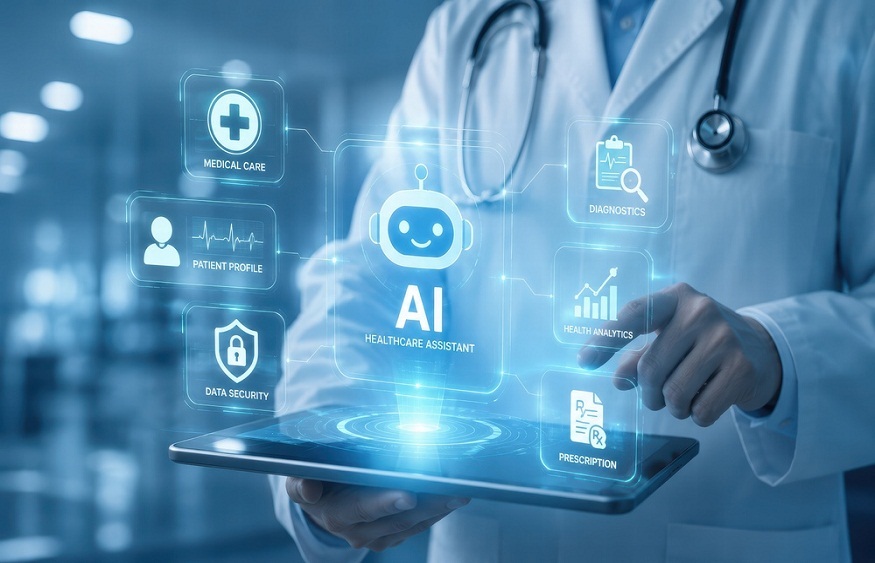
The healthcare sector used to be buried in paper documents. Mountains of folders everywhere. Doctors scribbled notes nobody else could read. Nurses stuffed test results into overflowing files. Pharmacists played detective with handwritten prescriptions. Then computers crashed the party. Now artificial intelligence spots diseases before you even feel sick. This whole transformation happened while most people weren’t paying attention.
The Paper Era and Its Problems
Paper controlled healthcare for ages. Every patient got a folder as thick as a phonebook. Doctors lugged charts from room to room like homework. Lose one page? The whole appointment goes sideways. Someone’s allergic to penicillin, but the note got filed wrong. Deadly mistake waiting to happen. Getting information from one doctor to another felt impossible. Fax machines shrieked constantly. Mail took forever. Specialists twiddled their thumbs waiting for records. Emergency rooms played phone tag while patients suffered. The paper system barely worked on good days. On bad days, people died from simple miscommunication.
Read More : Top SEO Strategies Every Web Developer Should Know
Digital Records Change Everything
Computers took over hospitals, and paper disappeared almost instantly. Filing cabinets became unnecessary with the advent of electronic records. Three letters typed by the doctor are all it takes for your comprehensive medical history to show up. No searching. No guessing what some other doctor wrote after three cups of coffee.
Different medical offices started talking to each other finally. Your foot doctor sees what pills your heart doctor prescribed last month. Emergency rooms grab your vaccination records before you finish signing in. Pharmacies catch deadly drug combinations before you swallow anything dangerous. Your health information follows you like a digital shadow. It’s safer for everyone involved.
Artificial Intelligence Enters Healthcare
Computers got bored just storing files. They started thinking. Machine learning found patterns hiding in plain sight. Some programs flag future diabetics five years early. Others predict surgery complications before anyone picks up a scalpel. A few even suggest cancer treatments by comparing thousands of similar cases.
Medical staff raced to catch up with the machines. Many medical assistants boost their skills through specialized education, with ProTrain’s AI medical assistant certification training preparing them to work alongside predictive healthcare systems. These tech-savvy professionals translate what computers discover into real help for real patients. They turn AI mumbo jumbo into practical steps that actually save lives.
Predictive Intelligence Shapes Tomorrow’s Medicine
Modern technology sees trouble coming from miles away. Your fitness tracker notices your heart skipping beats before you do. Algorithms examine X-rays and catch tumors the size of pinheads. Computer models predict which discharged patients may be readmitted to the hospital next week.
Playing defense beats playing catch-up every time. Early detection means easier fixes. Stopping complications beats dealing with disasters. Medicine shifts from damage control to disaster prevention. Each patient encounter teaches the computers something new. The system gets smarter with every diagnosis.
Read More : Why Django Is the Framework of Choice for Scalable Web Applications
Conclusion
The jump from paper chaos to predictive genius rewrote healthcare’s entire playbook. Paper walls crumbled when digital records arrived. Basic computers evolved into fortune-telling machines that spot illness before symptoms show. Healthcare workers surfed each wave of change, picking up skills while keeping patients front and center. The revolution keeps spinning faster as computers get creepier good at predicting problems. Future healthcare will catch diseases we can’t even test for yet. Those old paper charts might as well be cave paintings now. Innovation buried them under an avalanche of technology that makes medicine sharper, faster, and weirdly personal. The machines know us better than we know ourselves sometimes. Healthcare is experiencing a period of significant change, and this is only the beginning.